Imagination

Unleashing Your Mind’s Eye – A Comprehensive Guide to Visualization and Imagination

Introduction


Welcome to “Unleashing Your Mind’s Eye,” an endless word guide designed to help you harness the power of your imagination through visualization techniques. This guide is the fifth installment second edition in our series, building upon the foundation laid in the previous four guides. By the end of this journey, you’ll be equipped with the knowledge and tools to open your mind’s eye and use your imagination to its fullest potential.


Part 1: Understanding Visualization

1.1 The Science of Visualization

1.1.1 The role of visualization in the brain and cognitive processes

1.1.2 The connection between visualization and imagination

1.2 Types of Visualization

1.2.1 Mental imagery

1.2.2 Guided imagery

1.2.3 Creative visualization

1.3 The Benefits of Visualization

1.3.1 Enhancing memory and learning

1.3.2 Improving focus and concentration

1.3.3 Reducing stress and anxiety


Part 2: Developing Visualization Skills

2.1 Relaxation Techniques

2.1.1 Preparing your mind and body for visualization

2.1.2 Progressive muscle relaxation and deep breathing exercises

2.2 Creating a Mental Sanctuary

2.2.1 Designing a personal mental space for visualization

2.2.2 Using sensory details to enhance the experience

2.3 Visualization Exercises

2.3.1 Building mental images of objects, scenes, and experiences

2.3.2 Using visualization to explore emotions and memories


Part 3: Advanced Visualization Techniques

3.1 Multi-Sensory Visualization

3.1.1 Incorporating all senses into your mental imagery

3.1.2 Enhancing the vividness and realism of your visualizations

3.2 Interactive Visualization

3.2.1 Engaging with your mental imagery

3.2.2 Exploring your imagination through active participation

3.3 Lucid Dreaming and Visualization

3.3.1 The connection between lucid dreaming and visualization

3.3.2 Using lucid dreaming to enhance your visualization skills


Part 4: Harnessing the Power of Visualization

4.1 Visualization for Personal Growth

4.1.1 Using visualization to set and achieve personal goals

4.1.2 Overcoming obstacles and challenges through visualization

4.2 Visualization for Problem-Solving

4.2.1 Applying visualization techniques to solve complex problems

4.2.2 Enhancing creative thinking and decision-making

4.3 Visualization for Emotional Well-being

4.3.1 Using visualization to manage stress, anxiety, and negative emotions

4.3.2 Cultivating self-awareness and emotional resilience


Part 5: Practical Applications of Visualization

5.1 Visualization in Education

5.1.1 Using visualization to improve learning and retention

5.1.2 Enhancing focus and concentration during study

5.2 Visualization in Sports and Fitness

5.2.1 Improving performance and technique through visualization

5.2.2 Mental rehearsal for physical activities

5.3 Visualization in Business and Career

5.3.1 Using visualization to achieve professional goals

5.3.2 Boosting confidence and performance during presentations and interviews


Part 6: Overcoming Visualization Challenges

6.1 Common Obstacles to Visualization

6.1.1 Dealing with distractions and lack of focus

6.1.2 Overcoming mental blocks and self-doubt

6.2 Visualization for Non-Visual Thinkers

6.2.1 Adapting visualization techniques for different learning styles

6.2.2 Exploring alternative methods of imagination and mental imagery


Part 7: Meditation and Visualization

7.1 The Role of Meditation in Visualization

7.1.1 Using meditation to enhance visualization skills

7.1.2 Combining mindfulness and visualization techniques

7.2 Guided Meditation for Visualization

7.2.1 Practicing visualization with guided meditation sessions

7.2.2 Creating a calm and focused mental state


Part 8: Visualization for Mindfulness and Well-being

8.1 Mindfulness and Visualization

8.1.1 Using visualization to cultivate present-moment awareness

8.1.2 Promoting relaxation and stress reduction

8.2 Visualization for Emotional Healing

8.2.1 Addressing past traumas and negative experiences

8.2.2 Promoting self-compassion and emotional growth


Conclusion


Congratulations on reaching this stage in your journey of imagination as your quest begins! With this newfound knowledge and skills, you can unleash the power of your imagination through visualization techniques and achieve extraordinary things. Remember, your mind’s eye is a powerful tool – use it wisely and continue to explore the limitless possibilities it offers.

 1.1.1 The role of visualization in the brain and cognitive processes.


The human brain is a complex and intricate organ, responsible for a wide range of functions, including memory, learning, and imagination. Visualization, or the ability to create mental images and scenarios, plays a crucial role in these cognitive processes.


When you visualize something, your brain engages multiple areas, including the visual cortex, which is responsible for processing visual information. This region is activated when you imagine an object, scene, or experience, allowing you to “see” it in your mind’s eye.


In addition to the visual cortex, other areas of the brain are also involved in the visualization process. For instance, the prefrontal cortex, which is responsible for planning and decision-making, helps you create and manipulate mental images. The hippocampus, a key player in memory and learning, is also involved in visualization, as it helps to store and retrieve mental images.


Visualization is essential for several cognitive processes, such as:


  1. Memory: Mental imagery can help you remember information more effectively. By associating new information with vivid mental images, you create stronger connections in your brain, making it easier to recall the information later.
  2. Learning: Visualization can enhance your learning experience by providing a mental framework for understanding new concepts. When you visualize a concept or process, you engage multiple senses, making it easier to understand and retain the information.
  3. Problem-solving: Visualization can help you break down complex problems into more manageable parts, allowing you to analyze and solve them more effectively. By creating mental images of the problem and potential solutions, you can better understand the situation and find a solution.
  4. Creativity: Imagination and visualization are closely linked, as your ability to create mental images fuels your creative thinking. By engaging in visualization exercises, you can expand your imagination and develop new ideas and solutions.


In conclusion, visualization plays a crucial role in the brain and cognitive processes, impacting memory, learning, problem-solving, and creativity. By developing your visualization skills, you can unlock the full potential of your mind’s eye and harness the power of your imagination.


Expand and Explore this topic more

1.1.2 The connection between visualization and imagination.
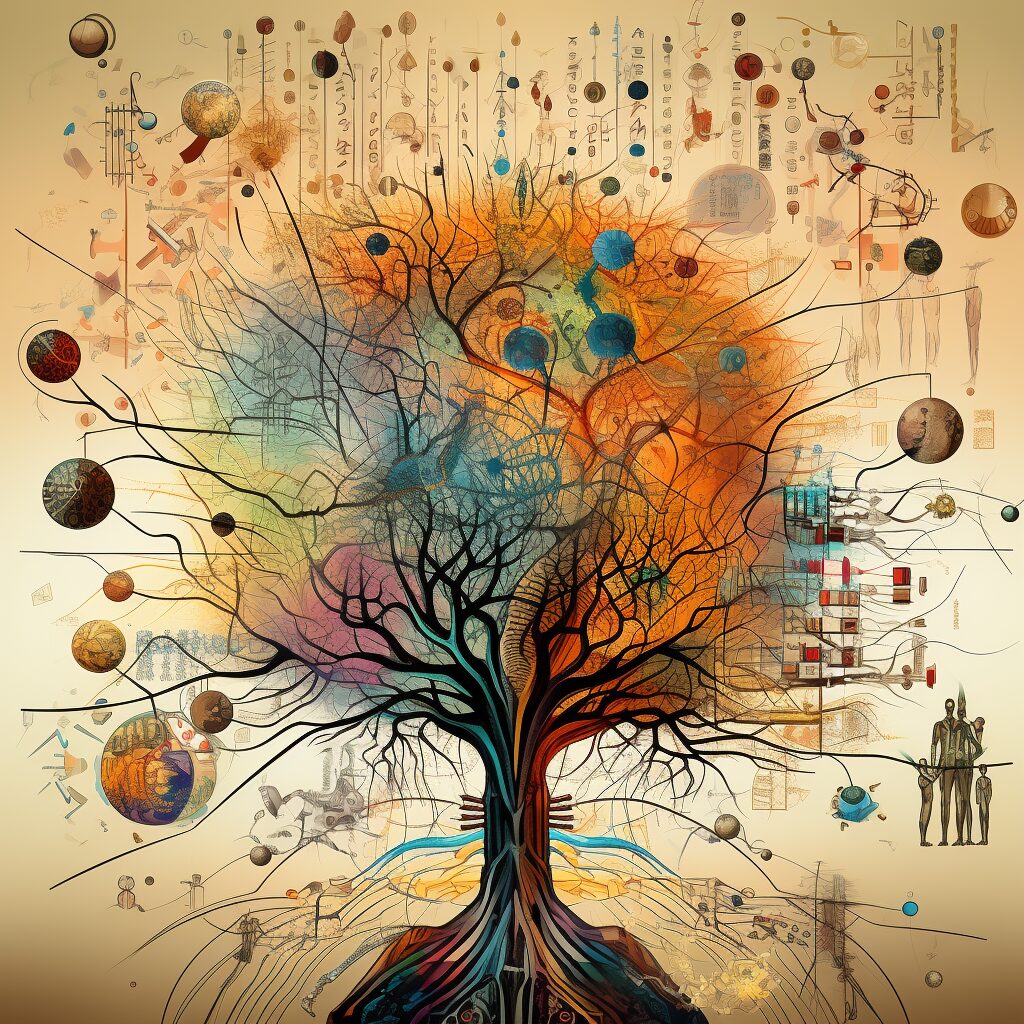
 

Visualization and imagination are closely intertwined, as they both involve the creation of mental images and scenarios. However, they serve different purposes and are used in different contexts.


Visualization is the process of creating mental images and scenarios, often with a specific goal or purpose in mind. It is commonly used in various fields, such as sports, education, and personal development, to improve performance, learning, and well-being. Visualization can be a powerful tool for achieving desired outcomes, as it helps to focus the mind and prepare the body for action.


Imagination, on the other hand, is the ability to create and experience mental images and scenarios without a specific purpose or goal in mind. It is the foundation of creativity and is essential for problem-solving, innovation, and artistic expression. Imagination allows us to explore new ideas and possibilities, to dream and to envision a better future.


The connection between visualization and imagination lies in their shared use of mental imagery. Both processes involve the creation of mental images and scenarios, and both require the ability to focus the mind and engage the senses. However, the key difference lies in their intent and purpose.


Visualization is goal-oriented and focused on achieving specific outcomes, while imagination is more open-ended and exploratory. By understanding this distinction, you can effectively harness the power of both visualization and imagination to achieve your goals and unlock your full potential.

1.2.1 Mental Imagery


Mental imagery is the process of creating vivid mental representations of objects, scenes, or experiences using your mind’s eye. It is an essential component of visualization and imagination, as it allows you to see, feel, and experience things that may not be physically present. Mental imagery can be used in various ways, such as recalling memories, imagining future scenarios, or visualizing abstract concepts.


There are several types of mental imagery, including visual, auditory, olfactory, gustatory, and kinesthetic. Visual imagery involves creating mental images of objects, people, or scenes. Auditory imagery, on the other hand, involves imagining sounds, music, or voices. Olfactory and gustatory imagery involve imagining smells and tastes, while kinesthetic imagery involves imagining physical sensations, such as movement or touch.


Developing your mental imagery skills can help you create more vivid and realistic visualizations. One way to improve your mental imagery is through practice and training. For example, you can try visualizing simple objects or scenes and gradually increase the complexity as your skills improve. Another way to enhance your mental imagery is by incorporating all your senses into your visualizations. By engaging your senses of touch, taste, smell, and hearing, you can create more immersive and realistic mental images.


Mental imagery is a powerful tool that can be used to enhance your imagination and visualization skills. By developing your mental imagery skills, you can create more vivid and realistic visualizations, which can help you achieve your goals, improve your well-being, and explore the limitless possibilities of your mind’s eye.

1.2.2 Guided Imagery


Guided imagery is a powerful visualization technique that involves following a script or a guided meditation to help you create vivid mental images and explore your imagination. It is often used for relaxation, stress reduction, and personal growth. Guided imagery can be practiced with the help of a practitioner, a recording, or even a written script.


The process of guided imagery typically begins with finding a quiet and comfortable space where you can relax and focus on your inner world. You might start with some deep breathing or relaxation exercises to calm your mind and prepare your body for the visualization journey. Once you are in a relaxed state, the guided imagery session begins.


During the guided imagery session, the practitioner or recording will lead you through a series of sensory experiences and mental images. You might be asked to imagine yourself in a peaceful nature setting, walking through a beautiful garden, or floating on a cloud. The images and experiences will be described in detail, using all of your senses to make the visualization as vivid and real as possible.


As you follow the guided imagery, you will be encouraged to engage with the mental images and explore your thoughts, feelings, and emotions. This can help you gain a deeper understanding of yourself and your inner world, as well as providing a powerful tool for relaxation and stress reduction.


Guided imagery is a versatile and accessible technique that can be used by people of all ages and backgrounds. It can be adapted to suit your individual needs and goals, whether you are looking to improve your mental well-being, enhance your performance in sports or work, or simply enjoy the beauty and power of your imagination.

1.2.3 Creative Visualization


Creative visualization is a powerful technique that involves using your imagination to create vivid mental images of the things you want to manifest in your life. It is a form of self-hypnosis that allows you to tap into the power of your subconscious mind and create the reality you desire.


The process of creative visualization involves three main steps: relaxation, visualization, and affirmation. First, you need to relax your mind and body by finding a quiet and comfortable place to sit or lie down. You can use relaxation techniques such as deep breathing, progressive muscle relaxation, or guided meditation to help you achieve a state of calm and focus.


Once you are relaxed, you can begin the visualization process. This involves creating a mental image of the thing you want to manifest, whether it’s a new job, a loving relationship, or improved health. Imagine the details of your desired outcome as vividly as possible, using all of your senses to make the experience as real as possible.


The final step in creative visualization is to use affirmations to reinforce your mental image and help you believe in its reality. Affirmations are positive statements that help you focus on your desired outcome and reinforce your belief that it is possible. Repeat your affirmations to yourself daily, and allow them to become a part of your daily routine.


Creative visualization is a powerful tool that can help you manifest your dreams and achieve your goals. By using this technique regularly, you can tap into the power of your subconscious mind and create the reality you desire.

1.3.1 Enhancing Memory and Learning

 

Visualization techniques can be a powerful tool in enhancing memory and learning. By creating vivid mental images and engaging multiple senses, we can improve our ability to retain and recall information. The use of visualization in education has been shown to improve learning outcomes and increase student engagement.


One way to enhance memory and learning through visualization is by incorporating visual aids into study materials. Using charts, diagrams, and other visual representations of information can help students better understand and remember complex concepts. Additionally, using color coding and other visual cues can help to organize and categorize information, making it easier to access and recall.


Another way to use visualization for memory and learning is through the use of mental imagery. By creating a mental picture of the information being studied, we can improve our ability to remember and recall it. This technique is particularly useful for remembering lists, sequences, and other types of information that can be represented visually.


Visualization can also be used to enhance learning by providing a mental framework for understanding new information. By visualizing the relationships between different concepts and ideas, we can better understand how they fit together and how they relate to one another. This can help us to make connections between different pieces of information and to integrate new knowledge into our existing understanding.


In conclusion, visualization techniques can be a powerful tool in enhancing memory and learning. By incorporating visual aids, using mental imagery, and visualizing the relationships between different concepts, we can improve our ability to retain and recall information, and to integrate new knowledge into our existing understanding.

1.3.2 Improving Focus and Concentration

 

Visualization can be a powerful tool in improving focus and concentration. By training your mind to focus on a specific image or scenario, you can develop the ability to maintain focus and concentration for longer periods of time.


One way to improve focus and concentration through visualization is by practicing mindfulness meditation. In this type of meditation, you focus your attention on your breath or a specific object, such as a candle flame or a flower. Whenever your mind wanders, you gently bring it back to the object of focus. Over time, this practice can help you develop greater focus and concentration.


Another way to use visualization to improve focus and concentration is by creating a mental image of a goal or task. For example, if you are studying for an exam, you can visualize yourself sitting at a desk, reading and absorbing the material. By creating this mental image, you can improve your focus and concentration on the task at hand.


Visualization can also be used to improve focus and concentration in sports and other physical activities. By visualizing yourself performing a specific movement or action, you can improve your ability to focus and concentrate on the task. This can help you perform better and achieve your goals.


In conclusion, visualization can be a powerful tool in improving focus and concentration. By practicing mindfulness meditation, creating mental images of goals and tasks, and visualizing specific movements or actions, you can develop greater focus and concentration and achieve your goals.

1.3.3 Reducing Stress and Anxiety


Visualization can be a powerful tool in reducing stress and anxiety. By creating calming mental images, you can help to relax your mind and body, and reduce the physical and emotional symptoms of stress and anxiety.


One way to use visualization for stress reduction is by imagining yourself in a peaceful and relaxing environment. For example, you might imagine yourself lying on a beach, feeling the warmth of the sun and the sand beneath you, listening to the sound of the waves crashing on the shore. This type of visualization can help to calm your mind and reduce feelings of stress and anxiety.


Another way to use visualization for stress reduction is by imagining yourself successfully managing a stressful situation. For example, you might imagine yourself giving a presentation at work, feeling confident and in control, and receiving positive feedback from your colleagues. This type of visualization can help to reduce feelings of anxiety and increase your confidence in your ability to handle challenging situations.


Visualization can also be used to reduce stress and anxiety by focusing on positive thoughts and emotions. For example, you might imagine yourself surrounded by love and support from friends and family, or you might visualize yourself achieving your goals and feeling happy and fulfilled. This type of visualization can help to reduce negative thoughts and emotions, and increase feelings of well-being and happiness.


In conclusion, visualization can be a powerful tool in reducing stress and anxiety. By creating calming mental images, imagining yourself successfully managing stressful situations, and focusing on positive thoughts and emotions, you can help to relax your mind and body, and reduce the physical and emotional symptoms of stress and anxiety.


To top